
Jeanette
It all began with a perfect day in the summer of 1924. Luchon, a small Pyrenean town rooted deep inside an evergreen valley, was adorned with roses, peonies, and lavender stalls. The streets, bordered by magnificent houses and groves of trees, were full of people hanging charms and wind chimes in the lowest branches of chestnuts and firs.


The town was celebrating the Fête des fleurs, the annual festival of flowers, making the most of the hottest days of summer. For the rest of the year, the town would remain under the snow and only the thermal waters, which made the city such a popular spot, would stay untouched by the cold.


The summer breeze spread a delicious scent coming from the Park of the Casino where an old man was making a laborious cake over a big fire. With his left hand, he spun a metal cone and, with the other hand, he was continuously pouring the cake batter over the cone. Some of the batter stuck, much of it was caught in a bowl beneath and he gently spooned it out and poured it all over the cone again until a layer of cake was formed.

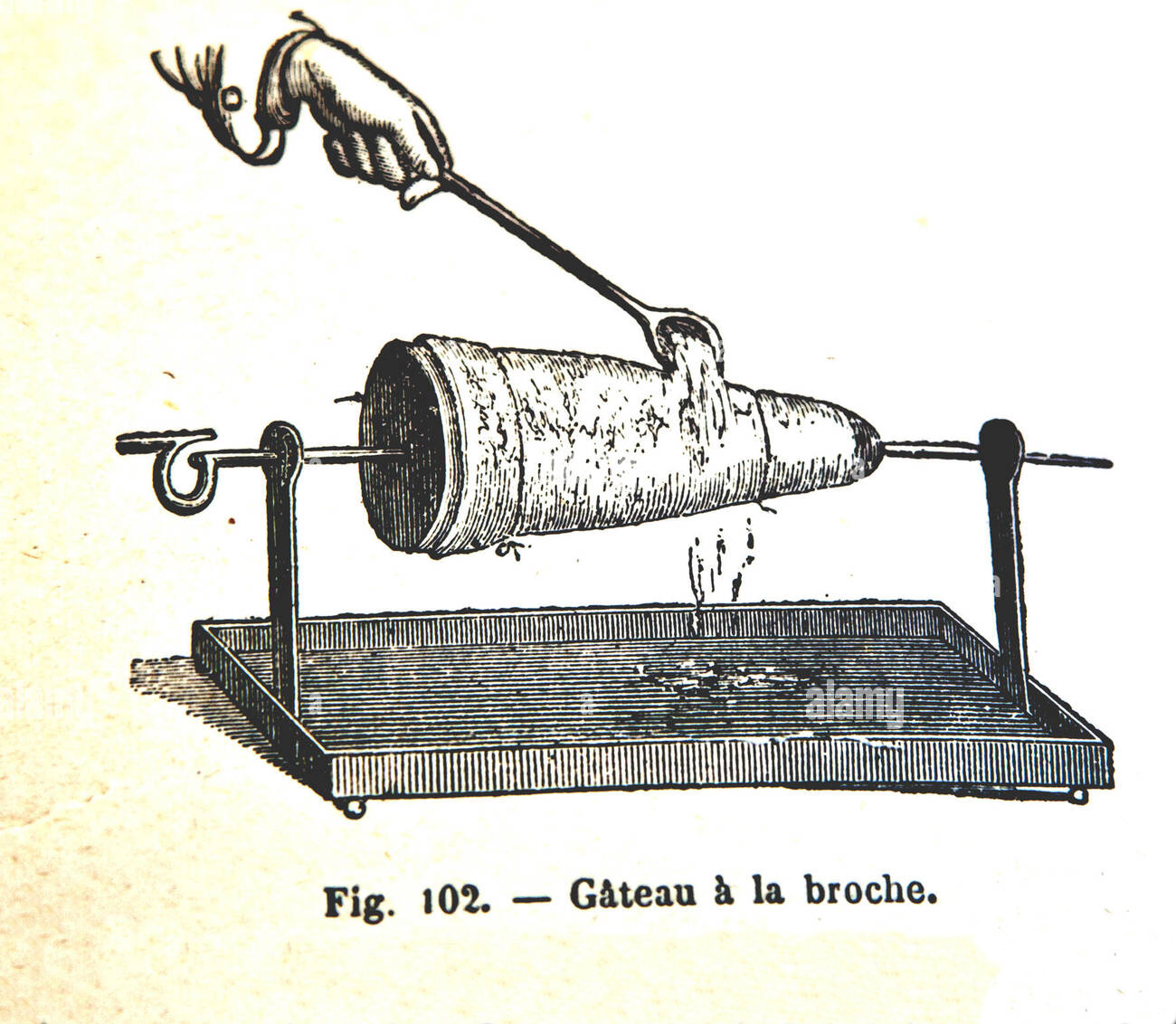
People were getting caught by that scent. The gamblers abandoned their tables inside the luxurious Casino and even the flower vendors left their posts to come to see the old man spin the wheel of cake. The baker worked rhythmically and with ease and it was so hypnotic to watch that a crowd grew around the old man. It could take him up to five hours to finish his masterpiece but somehow the crowd did not care, they were trapped in the sweet smell of Gateau à la broche.
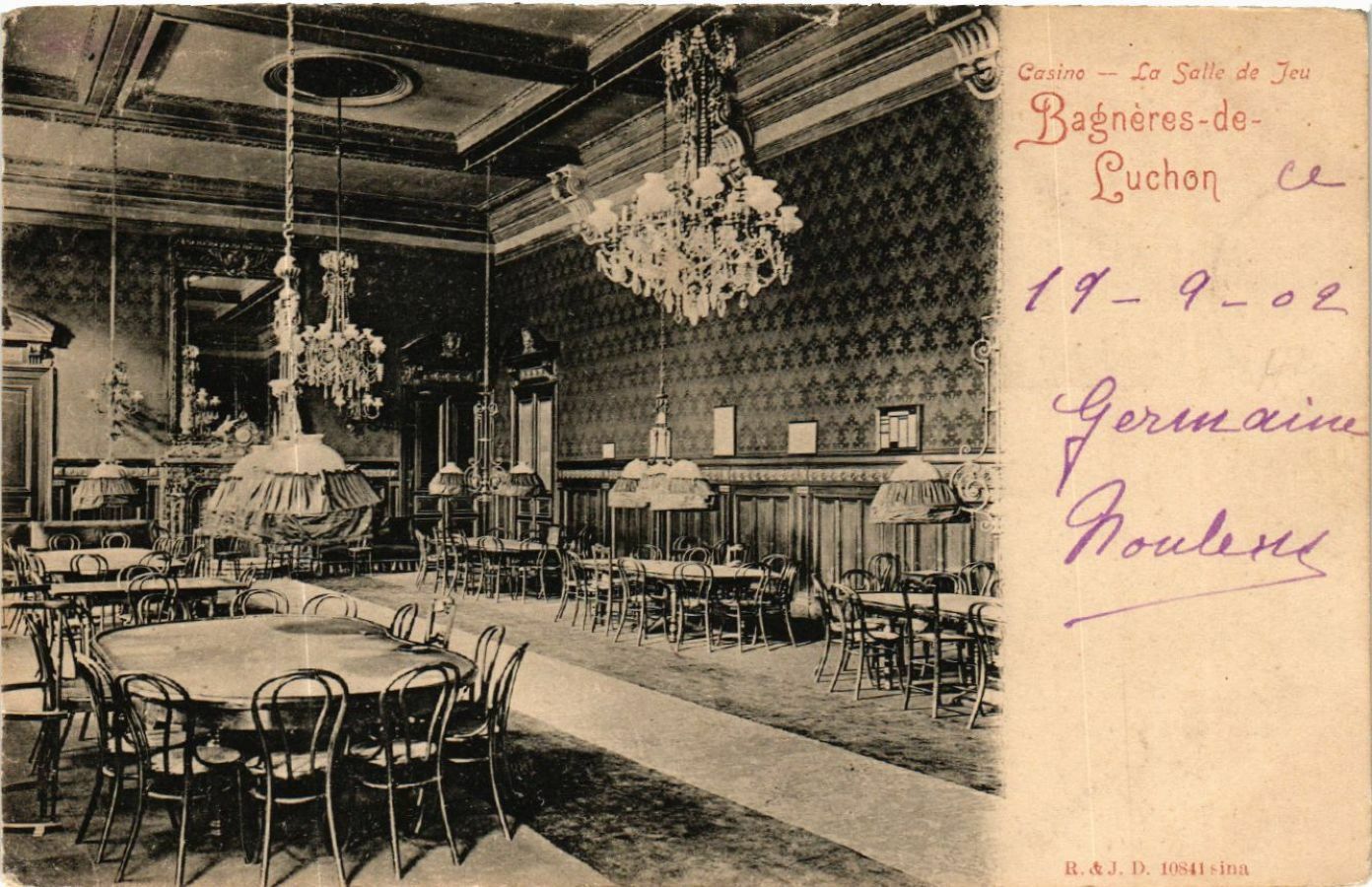
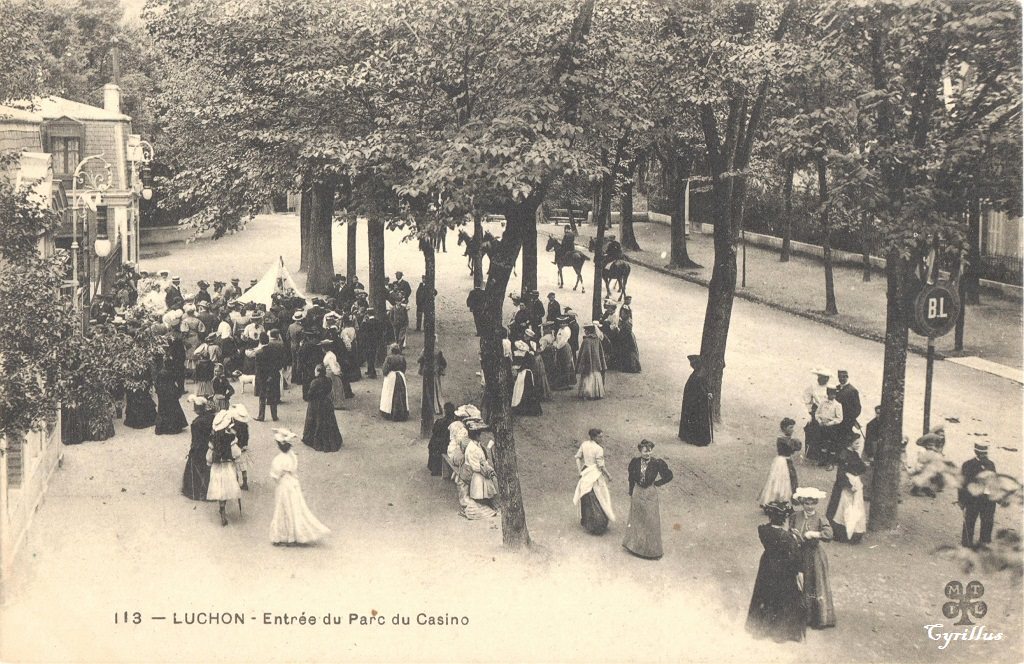
Pom. Pom. Pom. Pom. Pom. The sound of the bell tower snapped them out of it. It was five and everyone knew that at five the most awaited event was about to start: the election of Miss Flower. The crowd dispersed as fast as they came, leaving the old man turning the wheel in silence.
The town folk hurried, crossing the bridge towards a little lake called Lac de Badech where the election of the most beautiful lady of the valley was taking place.

There was orchestra music coming out of a huge octagonal Gazebo and the crowd followed it. Inside, the winner danced alone to the rhythm of the drums. Even though they had just missed the contest, they were all happy to find out that Madame Jeanette had been the chosen one.
Madame Jeanette Dubois was the young wife of the town mayor, Maire Dubois, and it was her kindness really that made her beautiful, it lighted up her grey eyes like embers. Someone could think the contest had been rigged but anyone who knew Jeanette would have told them that, indeed, there wasn’t a fairer soul in town.

It was so peaceful when the orchestra finally stopped for a glass of wine! Everyone was enjoying the little cakes brought from every kitchen in town: rice cakes, blueberry tartelettes, raspberry cream with biscuits, ribbon Jelly and, of course, sweet wine. Jeanette loved sweets and filled her plate with one of each kind.

She walked away just to see the little lake from afar. She felt like she could soar above the tall grass, play the notes of the wind chimes, and touch every charm hanging from the trees above, for that night had something special in store for her.
She followed the river absently under the last light of the day, eating her deserts and whistling to the woodlarks’ song. She walked until the sounds of the town were distant and soft and found herself in front of a great hazel tree with arched branches poking the river and the rocks.

Suddenly, a hand touched her hair from behind. Normally that would have startled her but she knew that hand well. She grabbed it with a smile and turned around to see her husband by the river bank. He grinned when he saw her mouth still stained by blueberry juice and kissed her. They spent the sunset loving and laughing and staring at the sky sprinkled with fireworks. Later she would tell him, that from all the candies nothing ever tasted as sweet as their love under the hazel tree.
A year later a little girl was born from that night. They called her Noisette, Hazel.
Noisette
Little Noisette was quite the sensation. She learned to walk when she was barely five months old much to her mother’s surprise. At one year old she was already a gifted runner, so much so that her grand house at 13 Rue de bains was getting too small for a girl of her talents.
By three, she was an accomplished climber. She climbed stair rails, she climbed kitchen counters, library shelves and, worse of all, the elegant glass chandelier in the conservatory. Jeanette often found the girl hanging upside-down the chandelier with her beautiful hazel hair entangled in the glass ornaments.
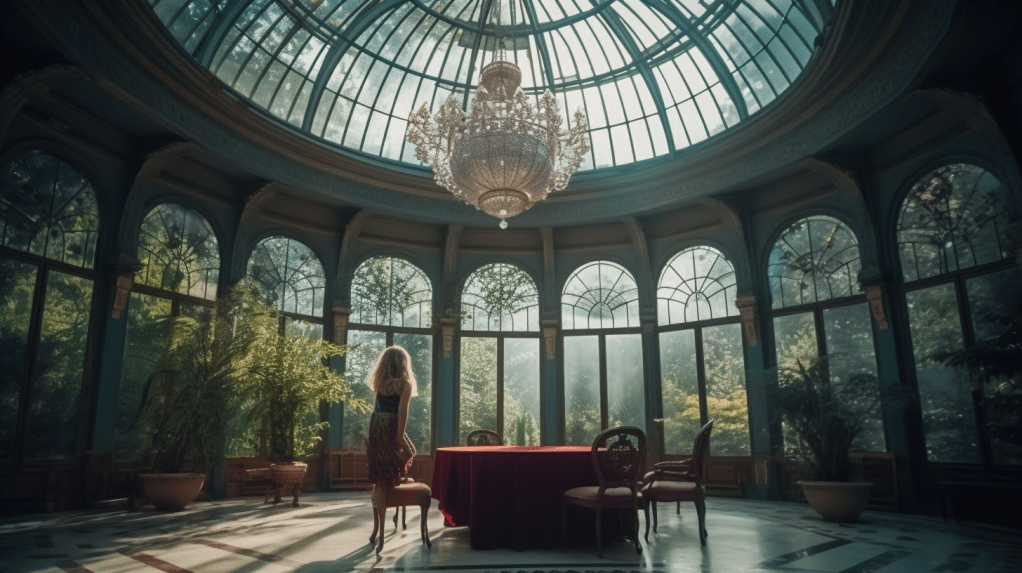
Noisette loved winters. Snow was the perfect pillow for her many falls and ice, well ice just made her as fast as light. But summers were her all-time favourite because in summer Jeanette would take her to the river.
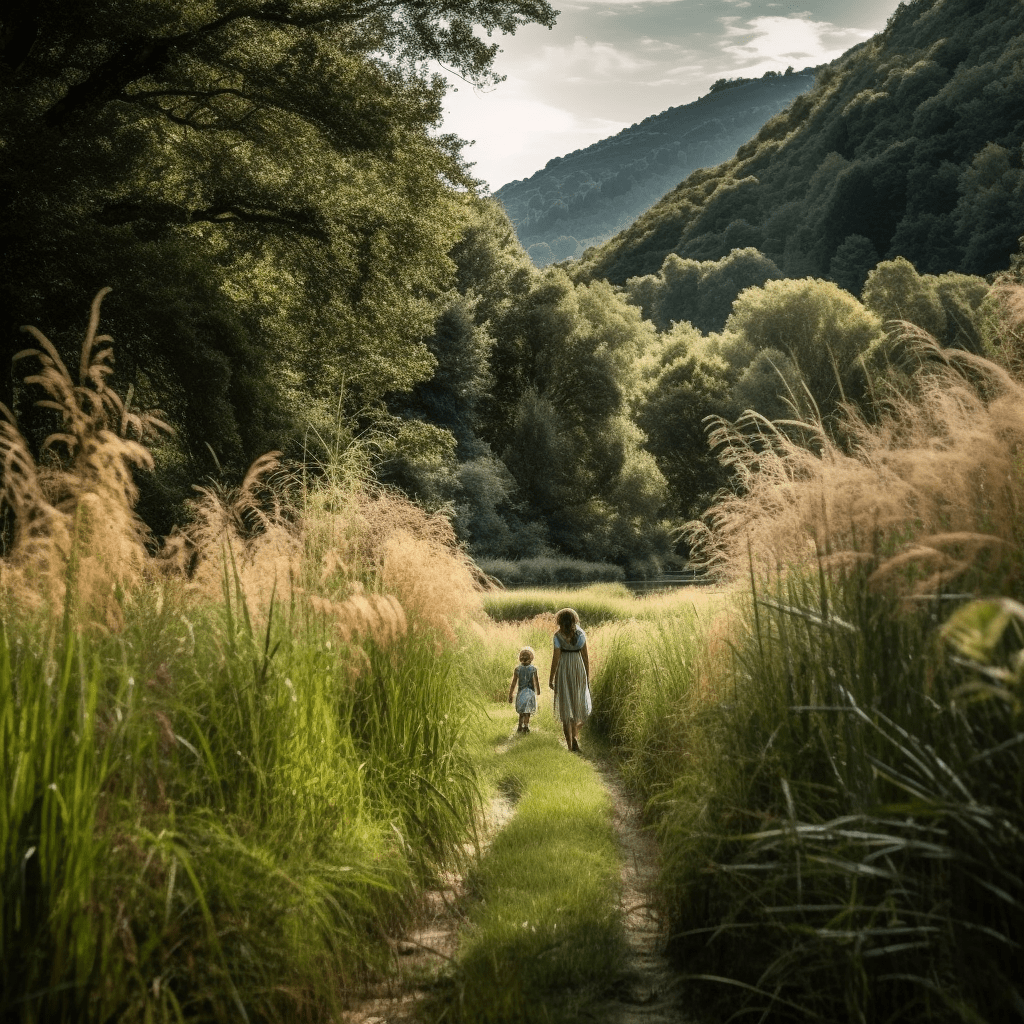
It was precisely in the summer of 1929, when Noisette was short of four, that Jeanette took her for the first time to the arching hazel tree by the river bank. “It all began here my little monkey”- she told the girl. But Noisette barely heard, she was already climbing a branch of the hazel tree and shaking it so the hazel nuts would fall in the water.

Jeanette sighed, this girl was as free and unstoppable as white water. The little girl gracefully jumped from the hazel tree to a big rock in the middle of the river and landed with both hands and feet on the rock. First slowly, but soon fast, she leapt from rock to rock with the balance and the agility of a sailing spider. Jeanette watched her daughter jump with the ease of a grasshopper, realizing she was chasing something down the river. “Maman! Maman! Do you see the rooster?”- screamed the girl while trying to fish something out of the river.
Jeannete came closer but she only saw leaves and stones on the river’s floor. The girl did not seem discouraged and continued her quest. “It’s beautiful Maman! It has green and blue feathers! And they shine so much. It can swim Maman, with the wings!”

The girl now was getting close to a tiny waterfall after which the river formed a pool of clear water. “It wants to swim down the waterfall!”- said the girl giggling. Jeanette thought if there was anything in the water, for sure she would see it when it would slide down the waterfall. But Noisette also seemed determined to go down the waterfall herself. “No Noisette, stay here!”, she cried.

But the girl did not listen, she slid down the waterfall alone for Jeanette could not see anything else besides her. And as she reached the clear pool, she hit her head on a sharp rock and everything went still. The water, the leaves, even the wind.
Madame Jeanette Dubois stopped wearing the colourful, vibrant dresses she always wore that same day. She burned them all in the fireplace of her grand house and from then on people only saw her in grey, black and white.

Before Noisette was buried, Jeanette cut some locks of her beautiful hazel hair, burned them and poured the ashes inside a small ceramic vase. She commissioned one of the most skilful artists in Luchon to paint on the vase a water rooster with metallic blue and green feathers and when it was finished, she placed it on top of the fireplace. So she could always be with her fair-haired little Noisette.

Along with Jeanette’s health, the grand house of the Dubois began to crumble: they stopped fixing the roof tiles, they stopped watering the flowers. And the same happened with the great town of Luchon, slowly getting abandoned. The mayor died soon after his wife and the house now locked became grey and forgotten.
Cosette
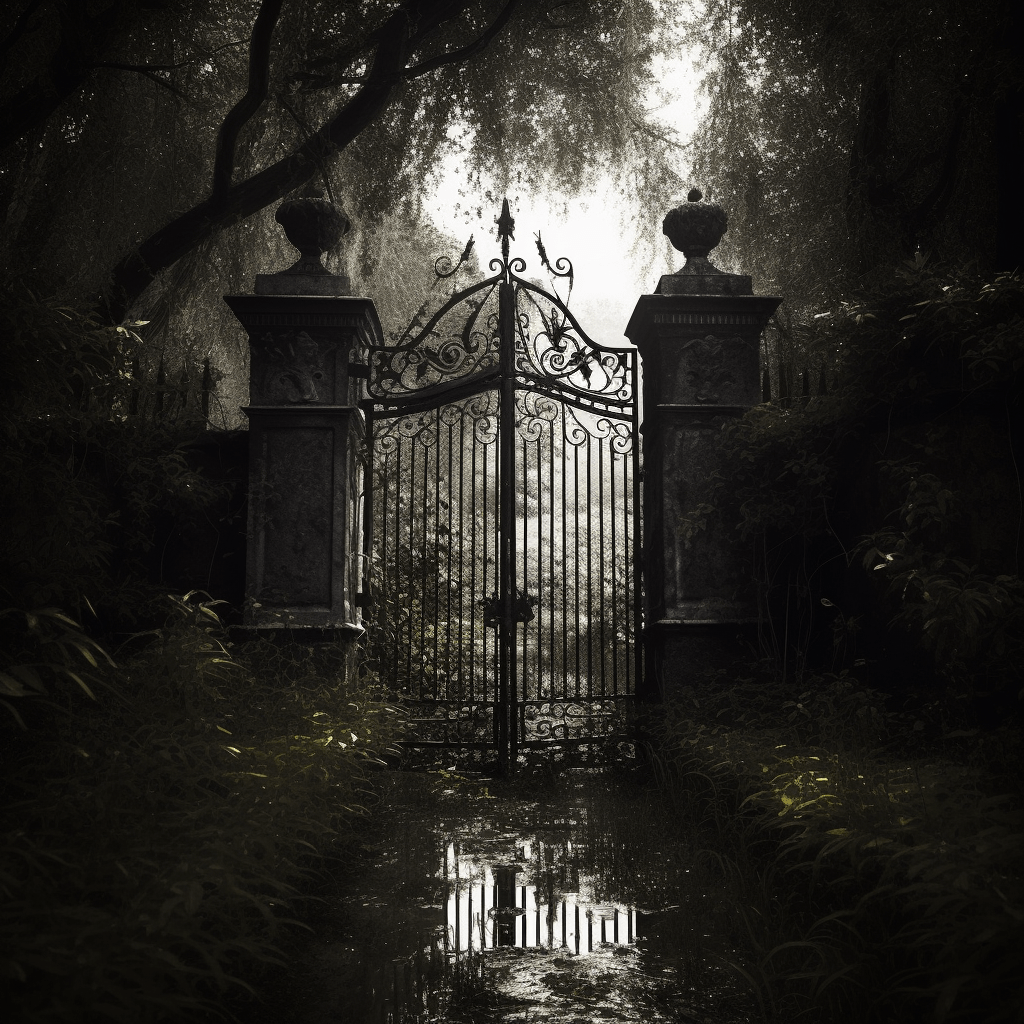
Many, many summers later, in 1955 to be precise, the abandoned house at 13 Rue de bains was finally being reopened. A young couple unlocked the rusty gate and changed the name in the mailbox to: Monsieur and Madame Fontaine.

Alain Fontaine was a prestigious engineer hired to modernize and redesign the town’s thermal baths, a needed update due to the lack of visitors in recent years. Cosette Fontaine, his new bride, wanted to find in Luchon what so many found before her: inspiration. She carried a crate full of leather journals through the door and looked around her in awe. To her, that old house was beating with stories waiting to be told.

They passed that first summer rebuilding and mending the townhouse. They watered the gardenias and fixed the tiles on the roof. They repainted the original colors of the house, all green and blue, and even patched up some cracks in the walls. But not all, because they felt the house had some scars that only sunlight could dissolve.

Cosette spent the late summer mornings in the conservatory, with all her plants, writing and listening to the dripping sound of rain.


It was such a cold summer that, at noon, she would go back inside the house and start a fire. It was just there, on top of the fireplace, that she found a beautiful ceramic vase with a rooster of bright colors in the centre. She made sure to dust it every day so the colors would never fade.
The nights grew darker and deeper and Cosette spent them listening. There was a whistle far away, she would hear it every night. It reminded her of the chirping of the woodlarks but, somehow, it came from inside the house. One night, she heard it so clearly that she woke her husband: “Do you hear it?”, she asked.
Together they walked the house following the sound which led them to the fireplace and to the little vase on top. The vase was closed with an old lid that Cosette had never managed to open but Alain warmed it up by the fire and carefully pulled the lid until it opened. They could see nothing inside except for dust. Or were they ashes? Cosette wondered.
The next day Monsieur and Madame Fontaine woke up to a radiant morning, the first in a while, and as they were having breakfast outside, they discussed the events of the past night. The more they talked about it, the more convinced was Cosette that what they found inside the jar were ashes and that the whistle melody was guiding them for a reason.
“I should scatter them I feel- she said- but I barely know this town.” Alain thought about it for a moment: “The most beautiful place in Luchon has to be the river”, he answered. He knew it well, he had been part of the team in charge of analyzing the river’s water, hoping to be able to offer an outdoor treatment for arthritis and sore muscles.
Cosette followed her husband’s advice and after he left for work, she grabbed with care the ceramic vase, placed it inside the basket and went for a long stroll along the river. She passed by the Park of the Casino where an old man was baking a strange cake under an open fire. It smelled of hearth and stone and, oddly, made her feel nostalgic. She walked under the groves of fir and chestnut and saw glass charms shine with reflected light. After she crossed a field of tall grass filled with grasshoppers, she reached the water.

“It is beautiful”, she said to herself, “Alain was right”. And with this thought, she followed the river until it led her to a big hazel tree with arched branches touching the water and the rocks.

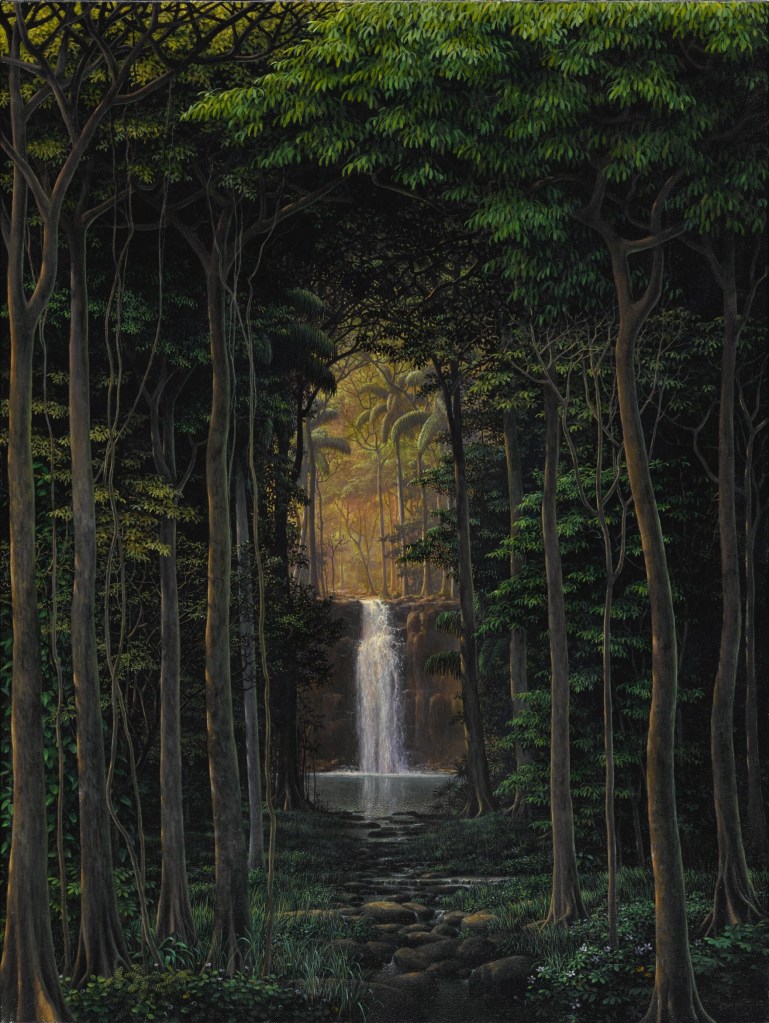
“This is the spot”, she realized. She grabbed the vase and pulled the lid with effort, it was stuck and with her last pull, the vase slipped through her hands and broke against a big rock. The pieces of broken ceramic sank to the river’s floor and the ashes scattered in the water were pushed down the river with the flow. She followed their course and saw them swirl across currents and below empty trunks of fallen oaks until they reached a tiny waterfall.
As the waterfall swallowed the ashes, Cosette saw the most wonderful thing slide down the white water: a rooster with shiny blue, green and hazel feathers swimming by.
I dedicate this story to Sigel, my North Star, who passed away right about the time I began writing it:
Here, my friend, I finally wrote a story for our quiet evenings in Yellowstone.
 Oneironaut stories
beautiful story. remind me the time we passed by the river, talking or daydreaming in the quietness of nature. 🙂
LikeLike