
Laika the Space oddity
It was a white day of November when Laika left for Space. We know very little about her apart that she was a stray dog with a licking habit that was probably just snoozing in the wrong corner when she was taken. It might have looked like an upgrade, for a time. Treats and so many new games, such as: now learn how to survive in Space. But she already knew a good deal about survival. Born in the cold asphalts of Moscow, lover of trash cans and the occasional street fight; Laika proved to the Space Russian Committee that she was up to the task.
People are mistaken to think a homeless dog would not appreciate a stroll around our Home Planet. Laika could not wait, she had her own mission. After orbiting Earth, as instructed, she would find a nice spot to call her own.
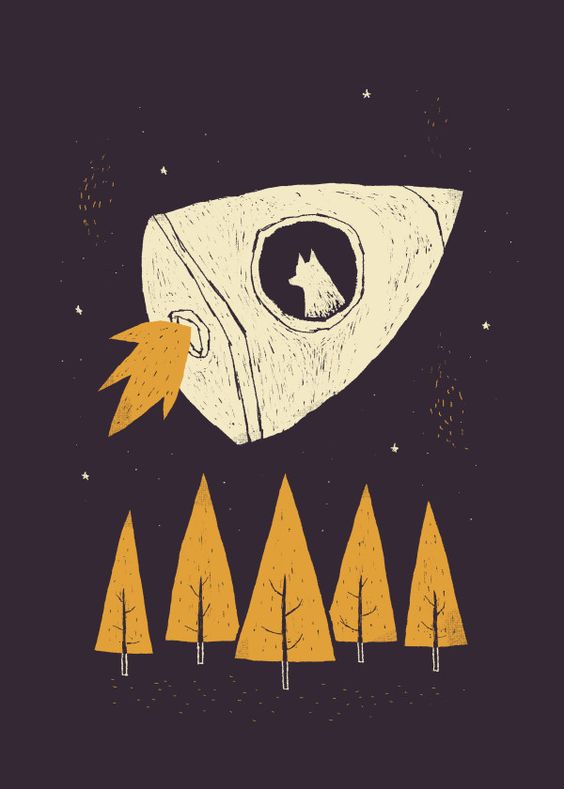
Around the 68 minute of planet-gazing, having considered all the continents, she concluded that the best spot, by far, were the skies. After that, she laid down, snacked and imagined herself bouncing off clouds, jumping on birds and planes and thunder. Her last meal consisted of pork stew and apple delights. A balanced diet makes for happier lives. But hers was sadly ending. It was hot, too hot. And that is all we know. Some months later the aircraft Sputnik 2 disintegrated during re-entry and, with it, the remains of Laika.
This is the story of what might have happened.
Mother Nebula & the Hot Pot of life
As Laika was munching her two-course meal earnestly, she swallowed a good bunch of apple seeds. With a full stomach, she felt like stretching her small legs and have a run in 0 gravity. She ejected from the aircraft and floated away. Took the chance to piss and poop in every meteorite and piece of trash she found, marking her path. What did she see out in Space? Did she find the skies as homey as she had imagined? We’ll never know. But her extraordinary story untangled in the strangest way.
Her droppings- a good blend of pork belly, apple seeds and cosmic jello- eventually crashed against the asteroid belt of a small planet which, in turn, crashed against another planet. These collisions expelled a unique meteorite called pallasite. Pallasites are embroidered with olive-green crystals made of silicate, under the light they look like a cluster of amber stones embedded in iron.

A big chunk of the pallasite travelled Space. On it, an apple tree grew. In time for the first harvest, the pallasite was swallowed by a Nebula.
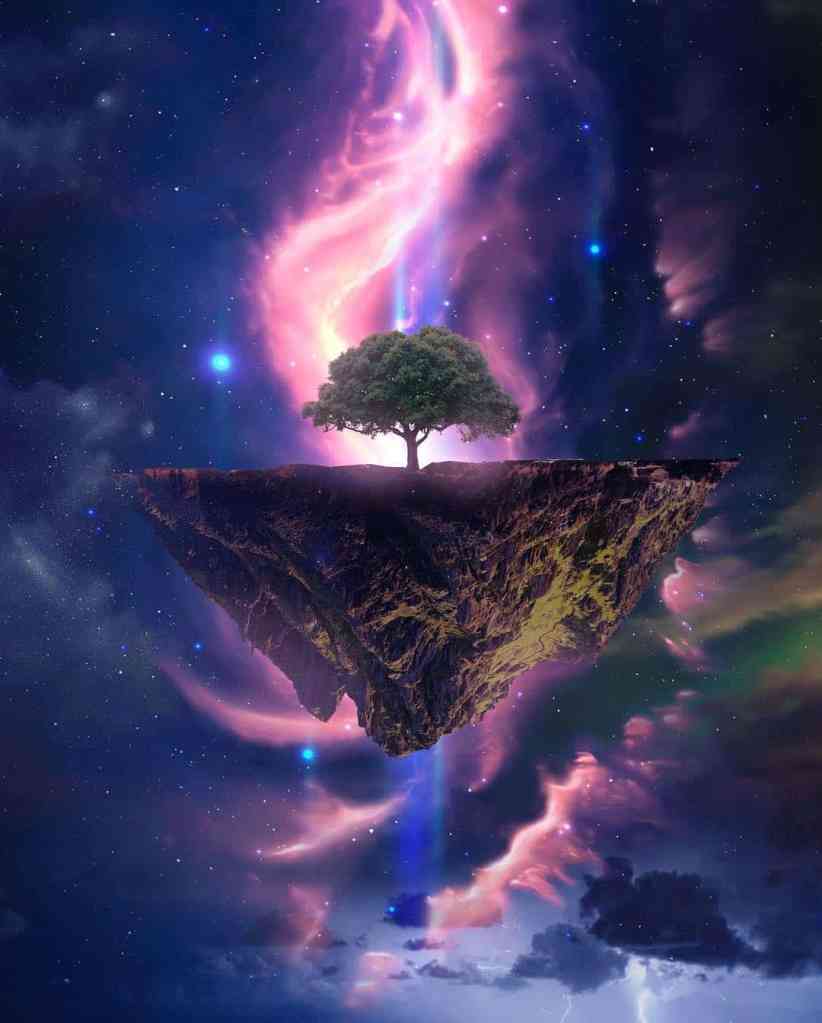
It fell like a pebble in a big muddy puddle, spreading ripples of gas and colours further and further. The Nebula worked like a powerful cocktail-shaker. It mixed helium, hydrogen and stellar dust, heated them up and, as it exploded, a new planet was born: Akial, the seed planet.
The case study of Akial
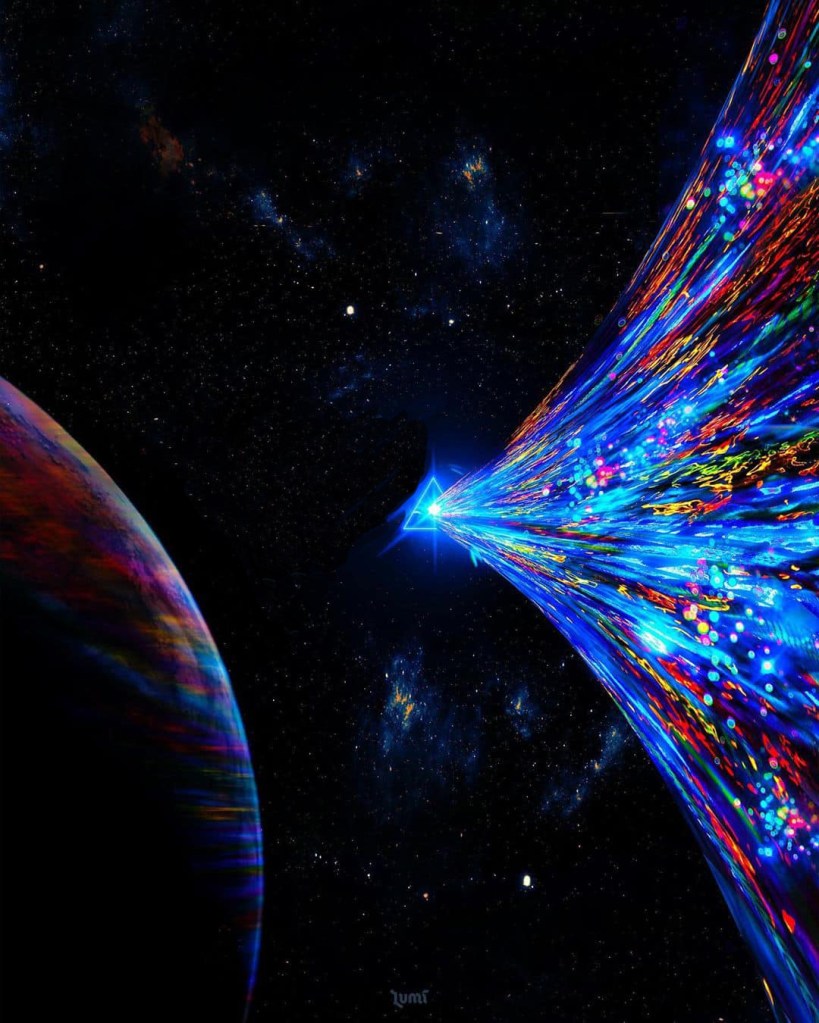
The outer layer of this apple-shaped planet consisted mainly of gases which spread until they covered 80% of the surface, casting long rainbows arched as crescents moons. At the centre of the sky a chromatic whirlpool stirred and swirled, constantly merging shades. It was a nursery of colours.

Meantime downtown, in the land, a new culture of cosmologists was evolving at light speed. Beyond everything, they valued communication; knowing all too well that entire civilizations can crumbled without it.
With this in mind, they developed a rare form of telepathy. Every time an Akialan – or a Seeder as they liked to call themselves- was pondering a question (which was quite often since that was their main occupation) a rain cloud formed. The gassy currents then carried the cloud so fast to its recipient that an instant barely passed from the moment the question was asked until it was received under a light shower of thoughts. The constant drizzle made the land and the minds of the Akialans thrive and grow until the planet was home to one of the most unique civilizations to have ever existed.
Sometimes, though, too many unsolved questions and weary thoughts concentrated, darkening the skies and the minds alike. When that happened the static electricity was as strong as to pull mountains towards the ever-moving whirl-pool in the sky, until the mass of clouds was so heavy that it unleashed a thoughtful storm.
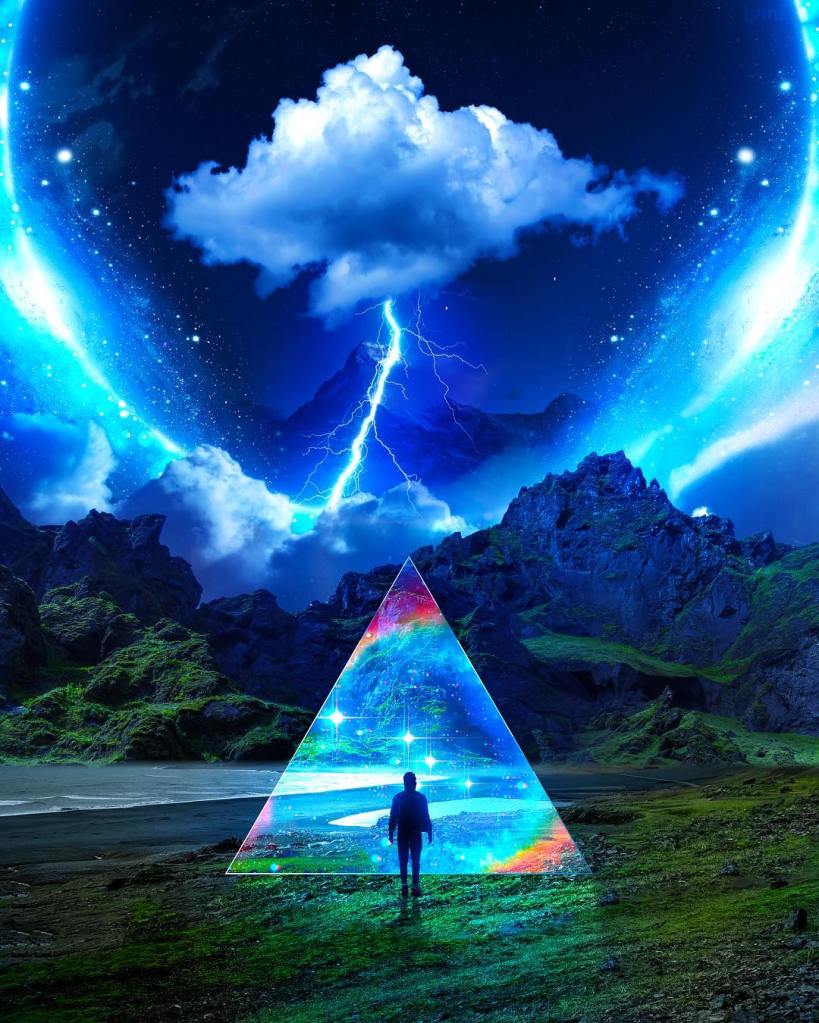
One fateful thought-storm, the lighting was lashing all around the planet furiously, uprooting even the deepest foundations. It was the outcome of a problem they could not solve: why didn’t they have a satellite in the sky? They knew most planets had some and yet theirs was barren, just a colourful desert. Usually, as the rainfall poured colours and hypothesis around them, they would reach a conclusion. But not this time. So their despair brought yet another storm. A cyclone rose from the blizzard of lost hope.
The planet began rotating out of control, it spun and spun until it shrank and everyone inside it shrank too. When the meta-storm finally dissipated, the planet was the size of a raindrop. Undoubtedly microscopic. You could only see inside it with a fine magnifying glass. Tiny Seeders learned that day a valuable lesson: It is better to let go of the things you cannot change before they change you forever.
After that, life resumed more or less as usual. Being tiny did not stop them from wondering about big things and so they went on with their schedules.
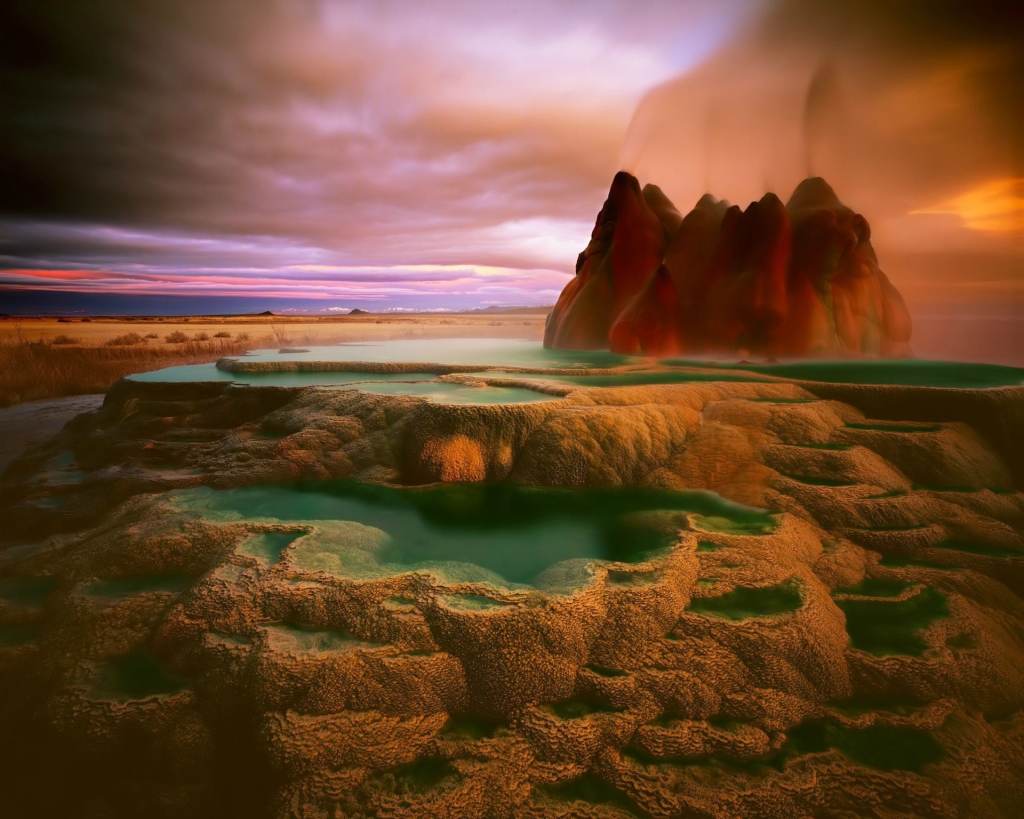
Every now and then a thoughtful storm still happened but they knew how to handle things better now and, after all, only after a good storm that the rainbows rearranged and created a whole new horizon. Something particularly nice to behold while taking a bath in one of the many geysers that were scattered around the planet. Chilling at the geyser after a storm was, to be sure, the number one pastime in the planet.
The Rainbow-naut’s wisdom
Unfortunately there was one storm when things got a bit out of hand, again. The good thing about being so tiny was that, most of the time, lightings missed the planet all together and they got lost in Space. Only once every 100 years a lighting managed to strike in the micro-spot where the planet was standing. When that happened, it usually hit one of the colours of the planet since it was covered in rainbows for the most part. And, as it did, it unlocked a colour gate and an answer hidden in that dimension revealed itself. An epiphany in colour.

But in this particular storm, the lighting hit something else. At first, they could not recognize what it was. But then another lighting stroke it. One chance in a million that it would strike twice the same spot but it did. The over-charge of electricity was enlarging it until it became quite visible.
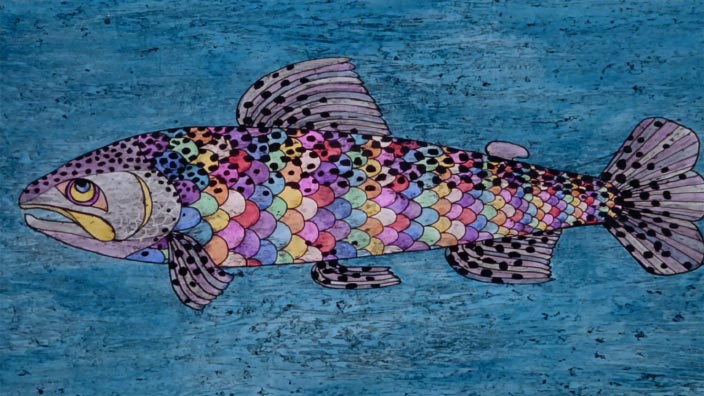
It was a huge iridescent trout and as it swam among colours it mimicked their tones. It used to be as small as a mustard seed once but now with all the electrical boost it had become quite enormous.
They watched as it dived into cobalt just to emerge out of crimson. They had never seen any being managed to navigate colours like that. In fact, if anyone tried, they would get lost inside the rainbows, never to come back. This being, they concluded, was a rainbow-naut. The keeper of the colour dimensions.
As they began wondering about the existence of such being, the rainbow-naut spoke for he could hear their thoughts. It said he had always been one with the planet, from the start on the pallasite to the belly of the mother Nebula. It told them all about Laika and how much she would have loved their turbulent skies.
It also confessed it had been feeding from their thoughts. Just unwanted thoughts and discarded ideas. This is how big storms finally cleared out. It had eaten them. And then, as it journeyed on past colour gates, it dropped the unsolved questions inside them. Over time, the questions fermented until solutions grew and new dimensions bloomed from those possible answers. A complete cycle.
The Seeders were mind-blown, which provoked a hurricane or two. The rainbow-trout took the opportunity to have supper and so the winds mitigated and turned to a soft breeze.
What you are looking for – it told them after a good digestion – the reason that made you so small is within the planet, at the chore. The satellite is trapped there, orbiting inside the nucleus. Be warned, you cannot let it out or it will destroy the foundations of our planet, everything will tumble down without its constant turning. There is something there, though, that I cannot reach. As the satellite turns, it pounds the chore and grounds it to a fine dust. This dust are the after thoughts of Akial. There is nothing more fulfilling than that. It is what brings the change of seasons and marks the pass of Time.
The Seeders were determined to get some of that chore dust to their trout friend but it would pose a real challenge. It seemed the only way into the underground was through the deepest geyser. They would need to tie a rope to a harpoon, swim as deep as they could and shoot it. With a bit of luck, the arrow would hit the bed rock and they could pull themselves down against the gases that were constantly expelled from the depths. And so they did but not without casualties… Some drowned before one, finally, managed to swim to the chore of the planet.
There, at the centre, was an abysmal round crevasse. It was shaped by the circular passing of the satellite. It was quite dark but for the eerie glow that emanated from the chore dust, like a candle lit cave. The cosmologist, haunted by its mystery, carefully filled his pockets with dust. He had to make haste before the satellite came back from its round. He could already hear it approaching, smashing rock and making way.
He took as much dust as he could carry and hurried back to the source of the geyser. Thankfully getting out was much easier than getting in. He stepped in the opening and the strong currents did the rest, propelling him outside violently through water and warmth.

Splash. Oxygen. The longest breath. Applauses covered him with glory, he had succeeded. The air-tight pockets still contained the fine dust of the nucleus of Akial and he proceeded to spread it all around the happy trout which was busy sucking every grain.
A marvelous ascension
Alas, the rainbow-naut kept on eating and eating… It did as fishes do, they eat without measure, they eat until it kills them. Heartbroken they witnessed as the rainbow-naut moved its lips for the last time and, slowly, a shinny ball bubbled up out of its mouth. It looked like a small marble but they knew, there and then, that it was a dwarf star.

For a moment the new star soared on the mulberry winds until the turn of a draft dragged her into the geyser. The Seeders looked deep into the emerald waters when a sizzling burst expelled the star back into the sky with the speed of a rocket. Up there, in the arcs of the rainbows, waymarks sparkled showing the spots where the rainbow-naut once had crossed between dimensions.
The star followed the trout’s route: diving into cobalt, emerging out of crimson, bouncing off rain clouds. It was the ultimate pinball match and all the cosmologists could do was to watch it go by.
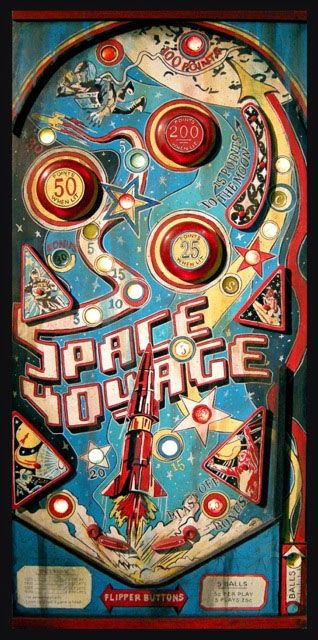
The more waymarks the dwarf planet hit, the more turbulent the sky’s whirlpool became. The winds rose and dropped, plunging the star back into the geyser. And out again. The colours of the rainbows began merging swiftly, painting the most unique of celestial fabrics. The whirlpool was becoming larger and larger, pulling the tiny star towards it. At last, the star was absorbed like a snow flake in an ocean. Gone.
The winds appeased, a rare silence took over. There was a stillness in the skyscape. Warm light, then, began to shine from above, igniting all there was. A new bright star for all.

 Oneironaut stories